Gardening rewards the people who get the basics right and quietly punishes everyone who skips them. The good news: the fundamentals haven't changed in a hundred years, and you don't need a glasshouse or a horticulture degree to apply them. Here are the twelve that matter most, with enough detail to actually act on.
1. Start small
The fastest way to quit gardening is to plant more than you can keep up with. A single overgrown, weed-choked bed is more demoralising than a small one that looks great. Begin with a patch you can manage in fifteen minutes a day — a 1x2 metre bed, or four or five pots on a balcony. Easy wins like lettuce, radishes, herbs, or marigolds give you a quick payoff and the confidence to expand next season. You can always add more; you can't get back a summer spent fighting a garden that's too big.
2. Put the garden where you'll actually see it
A garden out of sight is a garden out of mind — and the problems that kill plants (pests, dry soil, runaway weeds) are the ones you catch early by walking past daily. Site your beds near the back door, along a path you use, or in view of a window where you do the dishes. The "look frequently" habit is worth more than any fancy tool. If the only sunny spot is far from the house, at least put your most-used herbs by the kitchen.
3. Feed your soil with compost
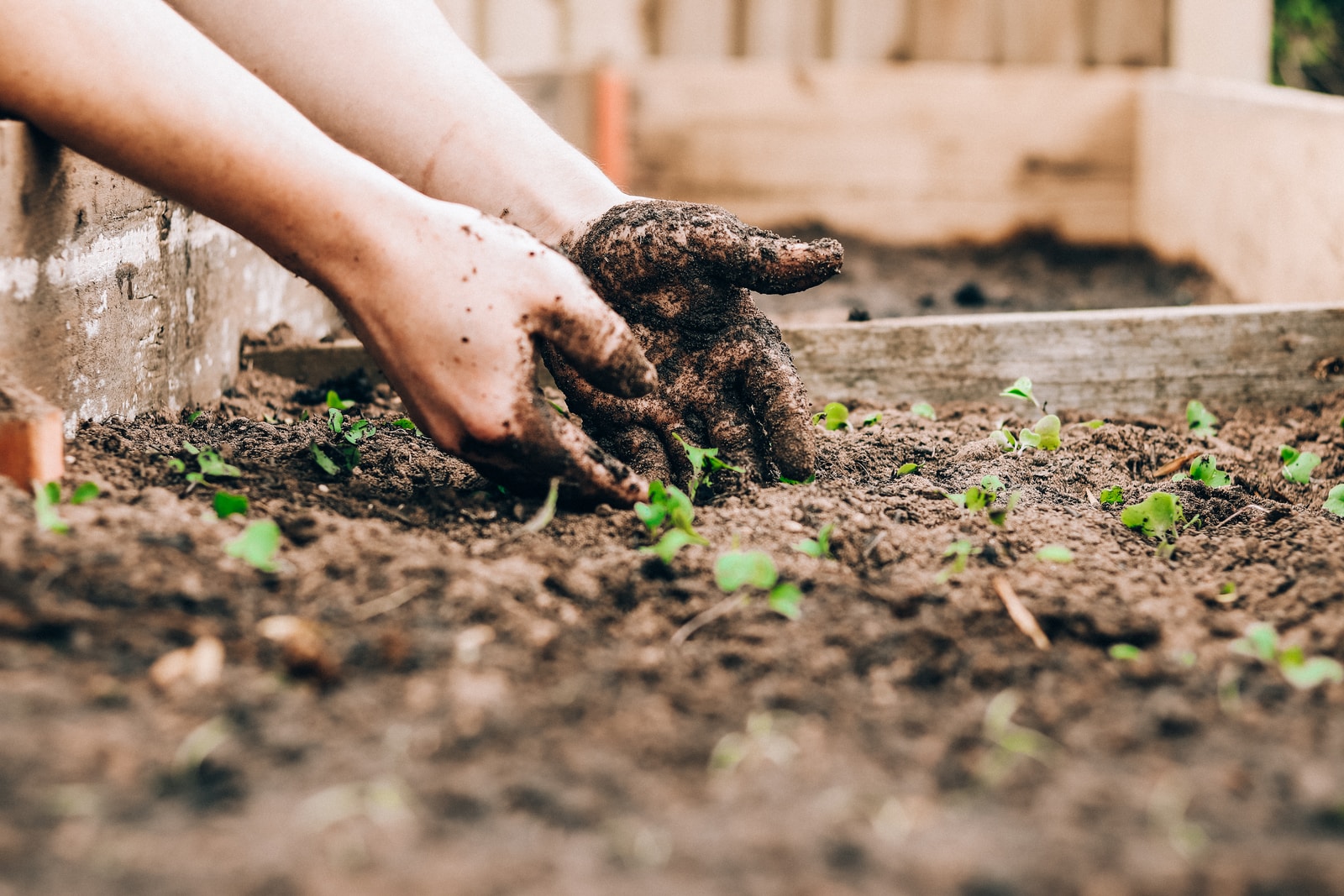
Healthy plants start with living soil, and compost is the cheapest way to build it. It improves structure so sandy soil holds water and clay soil drains, it feeds the microbes that make nutrients available, and it slowly releases nutrition without the burn risk of synthetic feed. Spread a 2-5 cm layer over your beds each spring and let the worms work it in, or dig it through before planting. You can buy it by the bag, but a simple home pile of kitchen scraps, grass clippings, and dead leaves turns waste into the best free input your garden will ever get.
4. Choose the right plants for your conditions
Plants aren't interchangeable. A variety that thrives in cool, damp Britain will sulk in a hot dry climate, and vice versa. Before you buy, learn your hardiness or climate zone and check the plant label or a reputable nursery's advice against it. Match the plant to your light, soil, and rainfall rather than trying to bend your conditions to a plant you fell in love with. Working with your environment instead of against it is the single biggest predictor of success — and it saves the money you'd otherwise spend replacing the casualties.
5. Stay on top of the weeds
Weeds aren't just untidy — they steal water, light, and nutrients your plants need, and they win because they grow faster. The trick is to never let them go to seed; one weed allowed to flower can drop thousands of seeds for next year. Pull them young when the soil is moist and they slide out roots and all, and run a hoe through the surface weekly to behead seedlings before they establish. A good mulch layer (see tip 10) prevents most of them in the first place, which is far less work than pulling.
6. Learn each plant's light needs
Light is non-negotiable, and getting it wrong is a common reason plants underperform. Tomatoes, peppers, and most fruiting vegetables want full sun — six or more hours of direct light a day — and will grow leggy and fruitless in shade. Leafy crops like lettuce and spinach tolerate partial shade and actually prefer it in summer heat. True shade-lovers like ferns and hostas scorch in full sun. Watch how the light moves across your garden through the day before you decide what goes where; the labels say "full sun" or "part shade" for a reason.
7. Get your soil quality right
Rich, well-structured soil grows strong plants; poor soil gives you stunted, struggling ones no amount of watering fixes. It's worth a cheap soil test to learn your pH and nutrient levels, because most vegetables want a slightly acidic-to-neutral range (around pH 6.0-7.0) and will struggle outside it. Whatever your starting point, organic matter is the universal improver — compost, aged manure, and leaf mould all build fertility and structure over time. Soil isn't a one-time setup; you feed it a little every year.
8. Water deeply, not constantly
Watering is where good intentions do the most damage. Overwatering drowns roots and invites rot; underwatering dries plants to a crisp. The reliable rule for most beds is to water deeply but less often — a thorough soak that reaches the root zone encourages roots to grow down and makes plants more drought-resilient than frequent shallow sprinkles. Water early in the morning so leaves dry before night (which reduces fungal disease), and aim at the soil, not the foliage. Check before you water: push a finger a few centimetres into the soil, and if it's still damp, wait.
9. Understand how your soil drains
Roots need oxygen as much as water, and waterlogged soil suffocates them because there are no air pockets left. Test your drainage with a simple hole: dig one about 30 cm deep, fill it with water, let it drain, then fill it again and time it — if it hasn't drained within a few hours, you have a drainage problem. The fix for heavy, soggy soil is the same as for poor soil: dig in plenty of organic matter to open it up, or build raised beds and grow plants that tolerate wet feet. Most plants want "moist but well-drained," which is gardener-speak for damp without ever being a swamp.
10. Mulch to lock in moisture and block weeds
Mulch is the closest thing gardening has to a free lunch. A layer of organic material — bark, straw, wood chips, or compost — keeps moisture in the soil, smothers weed seedlings before they sprout, moderates soil temperature, and slowly breaks down to feed the soil. Lay it 5-8 cm (about 2-3 inches) thick for it to actually suppress weeds. One important catch: keep mulch a few centimetres clear of plant stems and tree trunks. Piling it up against the bark — the dreaded "mulch volcano" — traps moisture and invites rot. Think doughnut, not volcano.
11. Feed your plants through the season
Even great soil gets depleted as hungry plants pull nutrients out of it, especially heavy feeders like tomatoes, courgettes, and roses. Good soil plus regular feeding is what carries a garden from "alive" to "thriving." Start feeding roughly a month after planting, once roots are established, and follow the product's rate — more is not better, and over-feeding can scorch roots or push lush leafy growth at the expense of flowers and fruit. A balanced general-purpose fertiliser suits most plants; switch to a higher-potassium feed when fruiting crops start to flower.
12. Plant natives and skip the double flowers
Plants native to your region are adapted to your soil, rainfall, and pests, so they usually need less coddling and less water than exotic imports. They're also a lifeline for local pollinators that evolved alongside them. One specific and often-missed tip: when you're choosing for pollinators, avoid the showy "double" cultivars with extra layers of petals. As the Royal Horticultural Society notes, those extra petals replace or block the parts of the flower that produce nectar and pollen, leaving bees and butterflies unable to reach the reward. Single, open flowers might look simpler, but they're the ones that actually feed your garden's wildlife.
The takeaway
Notice how many of these come back to the same thing: build good soil, work with your conditions instead of against them, and water with restraint. Get those right and most other problems shrink. Start with one or two tips this weekend, watch what your garden does, and adjust — that feedback loop is the real skill every good gardener shares.