Most health advice falls into one of two buckets: stuff that's genuinely backed by research, and stuff that got repeated so many times everyone assumes it's true. This list is the first bucket. We've researched these, flagged where the evidence is strong, and told you plainly where it's mixed. No first-hand miracle stories, no "studies show" without naming the study.
Two of these areas have full guides worth bookmarking: losing weight without counting calories and the sleep supplements that actually work.
You don't need all 25 at once. Pick two or three that fit your life, make them stick, then come back for more.
Eat and drink smarter
1. Eat more fruit and vegetables
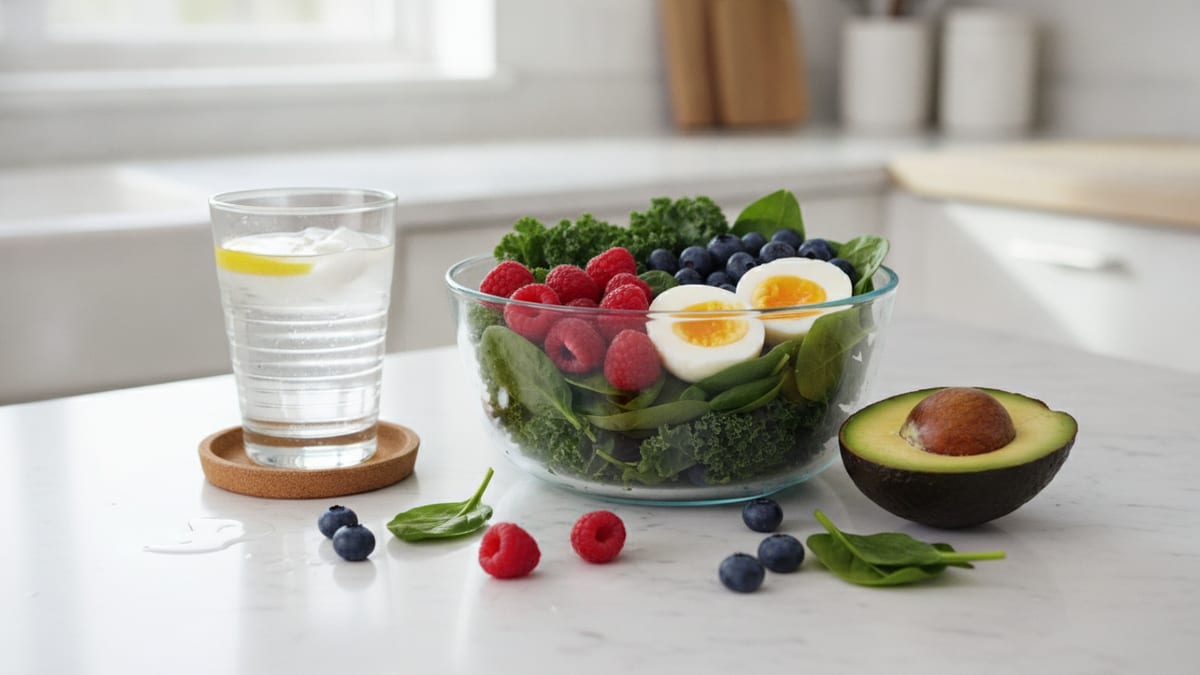
This is about as close to settled as nutrition gets. People who eat more produce tend to live longer and have lower rates of heart disease. Fruit and veg deliver fibre, vitamins, minerals, and antioxidants in a package no supplement replicates. Aim to make half your plate plants and stop overthinking which "superfood" is winning this week. The variety is the point.
2. Cut back on sugary drinks
If you change one thing on this list, make it this. Sugar-sweetened drinks are consistently linked to higher risk of type 2 diabetes and heart disease, partly because liquid sugar doesn't make you feel full the way food does — you just add the calories on top. Water, unsweetened tea, coffee, and sparkling water all do the job without the downside.
3. Drink enough water
Hydration affects energy, concentration, and mood, and it's the easiest fix on this list. You don't need to chase a magic number of litres — your thirst is a decent guide, and pale-yellow urine is the simplest tell. If you forget, having a glass with each meal quietly gets you most of the way there.
4. Lean toward whole, minimally processed food
You don't have to demonise every packet in your pantry, but the balance matters. Heavily processed foods tend to be calorie-dense and easy to overeat, while whole foods bring more fibre and nutrients per bite. A useful rule of thumb: the shorter the ingredient list and the closer it looks to its original form, the better.
5. Get enough protein
Protein keeps you fuller for longer and gives your body the raw material to maintain muscle — which matters more as you age. If you're trying to manage your weight or you train, paying attention to protein is one of the higher-leverage moves you can make. Eggs, fish, poultry, dairy, legumes, and tofu all count.
6. Eat fish, especially the fatty kind
The American Heart Association recommends two servings of fish a week, ideally oily fish like salmon, sardines, mackerel, or herring, which are rich in omega-3 fatty acids. Regular fish eaters tend to have lower cardiovascular risk. Worth noting: the AHA's view is that whole fish beats fish-oil supplements, because you also get the protein and other nutrients alongside the omega-3s.
7. Keep nuts and seeds in rotation
Nuts and seeds pack healthy fats, protein, fibre, and a range of minerals. They're calorie-dense, so they're not a free-for-all, but a handful as a snack is a genuinely good swap for chips or a biscuit, and they're easy to keep on hand.
8. Don't fear coffee
Coffee has a better reputation in the research than its jittery image suggests. Observational studies link moderate intake — roughly three to four cups a day — to lower rates of type 2 diabetes, Parkinson's disease, and lower all-cause mortality. These are associations, not proof coffee causes the benefit, but the pattern is consistent. Keep it under control if it wrecks your sleep, skip the sugary syrups, and if you're pregnant, talk to your doctor about cutting back.
9. Green tea, if you enjoy it
Green tea is rich in antioxidants called catechins and makes a solid swap for sugary drinks. Our honest take: the dramatic "fat-burning" claims are oversold, and you shouldn't drink it expecting to melt fat. Drink it because it's a pleasant, near-zero-calorie habit — that alone is a win.
10. Be a bit skeptical of single foods that "fix" everything
No single food is a cure. Herbs and spices like ginger and turmeric are great for flavour and may have modest benefits, but the headlines tend to run far ahead of the evidence. Enjoy them; don't bank your health on them.
The contested corner
11. The saturated fat debate isn't settled
For decades the advice was simple: saturated fat causes heart disease, eat less of it. The picture is now genuinely contested. Some meta-analyses of observational studies find no clear link between saturated fat and heart disease, while major bodies like the American Heart Association still recommend limiting it. The research is mixed, and credible scientists land on different sides. Our honest take: the food source matters more than the single nutrient — a diet built on whole foods is a safer bet than obsessing over a fat-gram count in either direction.
12. Breakfast is optional, not magic
You've heard that breakfast "kick-starts your metabolism." It doesn't — that one's been tested and it's a myth. Randomised trials have found no metabolic boost and no weight-loss advantage from eating breakfast versus skipping it. If a morning meal helps you eat well and feel good, eat it. If you genuinely aren't hungry until midday, you're not sabotaging your metabolism by waiting. Do what fits your appetite, not the cereal-box wisdom.
13. Smaller plates might help — the evidence is mixed
The popular trick is that a smaller plate makes a normal portion look bigger, so you eat less. Some studies support it; others have failed to replicate the effect, and hunger seems to weaken it. It costs you nothing to try, so treat it as a low-stakes experiment rather than a guaranteed fix.
How you eat, not just what
14. Practise mindful eating
Eating slowly, chewing properly, and actually paying attention to your food helps you notice fullness before you've overshot. It's not a diet — it's a habit that costs nothing and tends to make every other eating change easier to stick to.
15. Keep healthy food in sight
You eat what's easy to reach. Put fruit on the counter and pre-cut veg at the front of the fridge; bury the treats at the back. This isn't willpower, it's design — and design wins over willpower most days.
16. Stock genuinely good snacks
Cravings derail good intentions when the only option in reach is junk. Keep a handful of nuts, some fruit, or a little dark chocolate around so the easy choice is also a decent one.
17. Shop with a list
Walking into a supermarket without a plan is how impulse buys end up in the trolley. A quick list keeps you on track and tends to mean fewer regretted purchases at the checkout.
18. Plan your meals
A loose weekly plan saves money and removes the 6pm "what's for dinner" decision that so often ends in takeaway. Cook once, eat twice — batch a couple of meals and your future self does a lot less work.
19. Go easy on refined carbs
Refined carbs — white flour, added sugars, most ultra-processed snacks — have had their fibre stripped out, so they're easy to overeat and spike blood sugar fast. You don't need to ban them, but the more of your carbs that come from whole grains, fruit, veg, and legumes, the better you'll feel.
20. Try whole-grain flour in your baking
Whole-grain flour keeps the bran and germ, so it brings more fibre and nutrients than refined white flour. An easy on-ramp: swap half the white flour in a recipe for whole-grain or spelt and see how it bakes. You keep the treat, you upgrade the nutrition.
Move, sleep, and de-stress
21. Move your body — most movement counts
You don't need a gym membership or a punishing routine. The strongest evidence is simply for being active rather than sedentary: walking, cycling, gardening, taking the stairs. Find something you'll actually keep doing — consistency beats intensity for almost everyone.
22. Keep a consistent sleep schedule
Going to bed and waking at roughly the same time trains your internal clock so you fall asleep faster and wake more easily. Irregular sleep is linked to poorer attention, mood, and long-term health. Pick a realistic bedtime and protect it like an appointment.
23. Wind down screens before bed
The blue light and the endless scroll both work against you at night. Giving yourself a buffer — even half an hour — before sleep helps your brain shift down a gear. The exact mechanism gets debated, but "stop doom-scrolling in bed" is advice almost nobody regrets taking.
24. Give meditation a fair go
The evidence here is real but measured. A large 2014 review in JAMA Internal Medicine by Goyal and colleagues pooled 47 trials with around 3,515 participants and found moderate evidence that mindfulness meditation reduced anxiety, depression, and pain. It's not a miracle, and it didn't beat active treatments like exercise or medication — but as a low-cost, low-risk habit, a few minutes a day is a sensible bet.
25. Protect your time and relationships
Chronic stress and isolation take a measurable toll on health. You won't out-supplement a life that's grinding you down. Saying no, keeping up with people you care about, and building in genuine downtime aren't soft extras — they're part of the same picture as diet and exercise.
The honest bottom line
None of this is exotic. The habits with the best evidence are the boring ones: eat mostly whole food, move regularly, sleep on a schedule, drink water over soda, and don't let stress run unchecked. Ignore anything promising a dramatic overnight transformation — and start with the two or three changes that actually fit the life you're living right now.