Most weight-loss advice falls into one of two camps: stuff that works but sounds boring, and stuff that sounds exciting but doesn't work. We went looking for the first kind. This is the researched version, not the "we lost 30 pounds in a weekend" version, and the honest take is that almost everything here comes back to one idea: eat a bit less than you burn, in a way you can keep doing.
Here are 22 ways to make that easier.
1. Get clear on calories before you get clever
You lose weight when you take in less energy than you use. Every tip below is really just a different lever on that one equation. You don't need to weigh every gram forever, but spending a couple of weeks tracking what you actually eat tells you where the real calories are hiding. They're rarely where people guess.
2. Pick an eating pattern you can live with
Diets don't fail because they're not strict enough. They fail because nobody can stick to them. The best diet is the one you'll still be doing in six months, whether that's lower-carb, Mediterranean-style, or just smaller portions of what you already eat. If a simple time rule appeals more than tracking every meal, intermittent fasting is one of the easiest patterns to stick to — and there are other no-counting approaches that work the same way. Match the plan to your life, not the other way round.
3. Cut the sugary drinks first
Soda, juice, sweetened coffees and energy drinks pour calories in without making you feel full. Swapping them for water, sparkling water or unsweetened tea is one of the easiest wins available, because you barely notice the food you're not getting.
4. Drink water before you eat
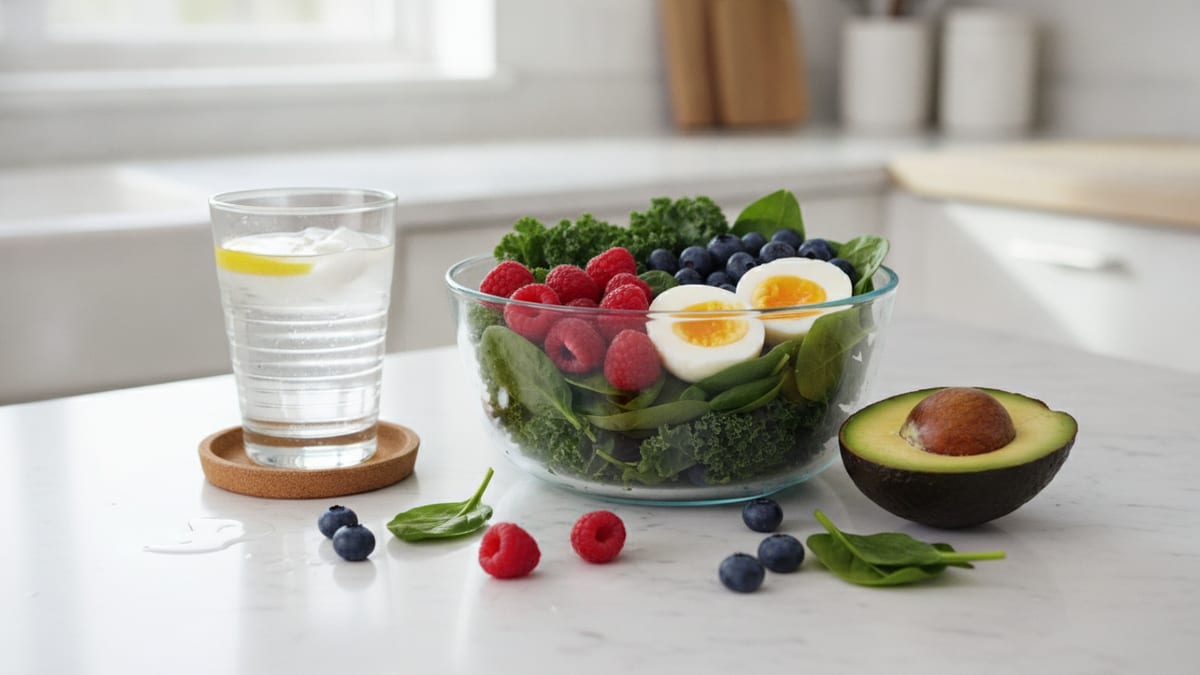
This one has real evidence behind it. In trials, people who drank a couple of glasses of water before meals ate roughly 75 fewer calories per meal and lost more weight over 12 weeks than those who didn't. It's not magic, it just takes the edge off hunger so you stop a little sooner.
5. Eat more protein
Protein is the most filling of the three macronutrients, and it actually shifts your appetite hormones, nudging the ones that say "I'm full" and quieting the ones that say "feed me." Build meals around eggs, fish, lean meat, beans, Greek yogurt or tofu and you'll find it easier to eat less without feeling deprived.
6. Make fiber a habit
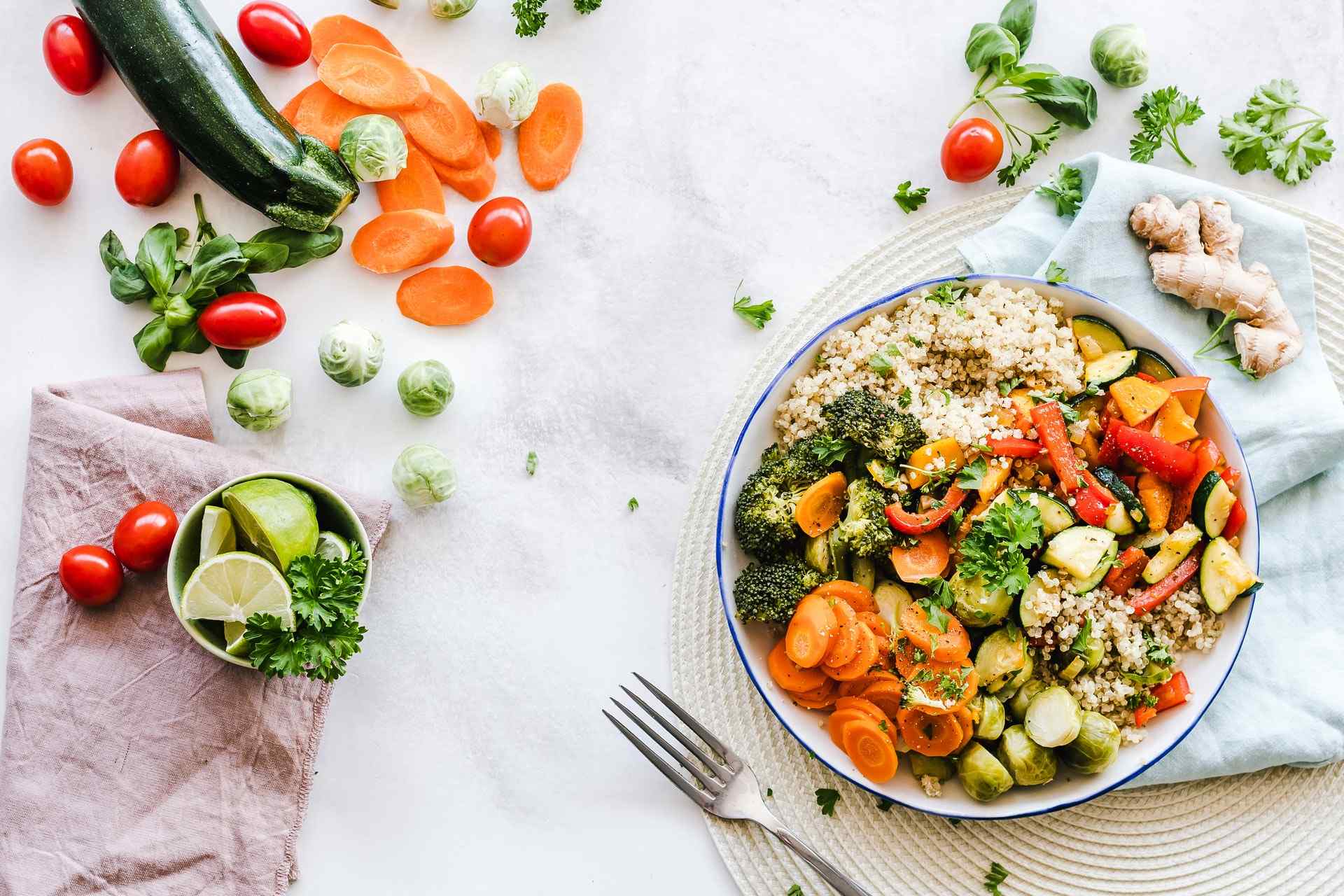
Fiber slows digestion and keeps you fuller for longer, and most people don't get nearly enough. Vegetables, fruit with the skin on, beans, lentils, oats and whole grains all help. As a bonus, high-fiber foods tend to be lower in calories for their volume, so you get more food for the same energy.
7. Lean on whole foods over heavily processed ones
Whole foods are harder to overeat. Ultra-processed foods are engineered to be moreish, easy to eat fast, and light on the fullness signals that make you stop. You don't have to ban anything, but tilting most of your meals toward foods that look like food does a lot of quiet work.
8. Get enough sleep
Short sleep messes with the hormones that control hunger and fullness, which is why a bad night often turns into a hungry, snacky day. Protecting your sleep is one of the least glamorous and most effective things you can do for your appetite. If you've fixed the basics and still sleep badly, these sleep supplements are the next thing to look at.
9. Eat slowly
It takes a little while for your stomach to tell your brain it's had enough. Eat fast and you blow past that signal before it arrives. Slowing down, putting the fork down between bites, actually tasting the food, helps you notice fullness while it still counts.
10. Manage stress instead of eating it
Reaching for food under stress is a normal human response, not a character flaw. The fix isn't willpower, it's having other ways to deal with a rough day: a walk, a phone call, ten minutes of breathing, anything that isn't the snack cupboard. Keep the comfort foods out of easy reach and the moment usually passes.
11. Move more in the gaps
Stairs instead of the lift, a walk after dinner, parking further away, pacing on calls. None of it feels like exercise, but the everyday movement you're not doing adds up over a week. It's also genuinely good for your heart, which matters more than the scale.
12. Find active things you actually enjoy
The best workout is the one you don't dread. Cycling, hiking, dancing, tennis with a friend, swimming, whatever doesn't feel like punishment. If you like it, you'll keep doing it, and consistency beats intensity over any timeline that matters.
13. Go easy on alcohol
Alcohol is calorie-dense, lowers your guard around food, and tends to come with late-night snacking. You don't have to go dry, but cutting back, or choosing lower-calorie drinks and pacing them with water, removes a surprising chunk of liquid calories.
14. Be honest about sugar
Added sugar adds calories without adding fullness, and it's hidden in plenty of "healthy" foods like flavored yogurt, granola and sauces. Swapping honey or maple syrup for table sugar doesn't really change the math, so the more useful move is simply having less of the sweet stuff overall.
15. Mind your carb quality, not just quantity
Carbs aren't the enemy, but refined ones (white bread, pastries, most packaged snacks) are easy to overeat and don't keep you full. Leaning toward whole grains, legumes, fruit and vegetables gives you the fiber and staying power that refined carbs strip out. Quality does more here than blanket restriction.
16. Keep a food log when you stall
Plenty of people eat less simply by paying attention. Jotting down meals, or snapping a quick photo, makes you aware of the absent-minded extras that don't register in the moment. You don't have to do it forever, just long enough to spot your patterns.
17. Don't binge-eat in front of a screen
Eating while distracted means you're not tracking how much you've had, so you tend to keep going. Snacking through a whole series is the classic trap. Eat at a table, off a plate, and you'll naturally land closer to what your body actually needs.
18. Be deliberate about dessert
You don't have to swear off dessert. Just decide on purpose rather than by reflex. If you want it, fit it into your day; if you're only eating it because it's there, skip it. The goal is to spend your calories where you actually enjoy them.
19. Snack with intent
Snacking isn't the problem; mindless snacking is. For some people, planned snacks (fruit, nuts, yogurt) prevent the ravenous between-meal raids. For others, sticking to three meals works better. Figure out which one you are and stop fighting it.
20. Try intermittent fasting if the structure suits you
Intermittent fasting means cycling between eating and fasting windows, for example eating within an 8-hour window and fasting for the other 16, rather than eating one meal a day or "detoxing." A large 2025 review in the BMJ found it produces weight loss comparable to standard calorie-cutting. The honest catch: the results come mainly from eating less overall, not from the timing itself. So treat it as a tool that helps some people eat less, not a metabolic cheat code.
21. Weigh yourself regularly, but don't panic over the wobble
People who weigh themselves often, as part of a wider plan, tend to lose more and keep it off, mostly because it keeps them honest. Daily and weekly weighing both work. Just expect the number to bounce around from water, salt and hormones, and watch the trend over weeks rather than the reading on any single morning.
22. Build habits, not heroics
Crash efforts fall apart because they're built to end. The weight that stays off comes from small changes you stop noticing because they've become normal. Pick two or three tips from this list, make them automatic, then add more. Slow and boring genuinely wins this one.
Our honest take
There's no secret here, and anyone selling you one is selling you something. The methods that work are the unsexy ones: eat mostly whole foods, get enough protein and fiber, drink water, sleep, move, and find a way of eating you can keep up. If one approach doesn't fit your life, try another. Everyone's a bit different, and if you have a health condition or you're on medication, run any big diet change past your doctor first.