Here's the good news for anyone who breaks into a sweat just walking past a gym: most weight loss happens in the kitchen, not on the treadmill. You can't out-train a bad diet, and you don't have to try. What you eat, how much, and the little habits around it do most of the heavy lifting.
For the deeper version — eating in a way that keeps you full on less — see how to lose weight without counting calories.
These are 20 ways to lose weight without a single burpee. None of them require equipment, a membership, or a personality transplant.
1. Weigh yourself, but don't let the number rattle you
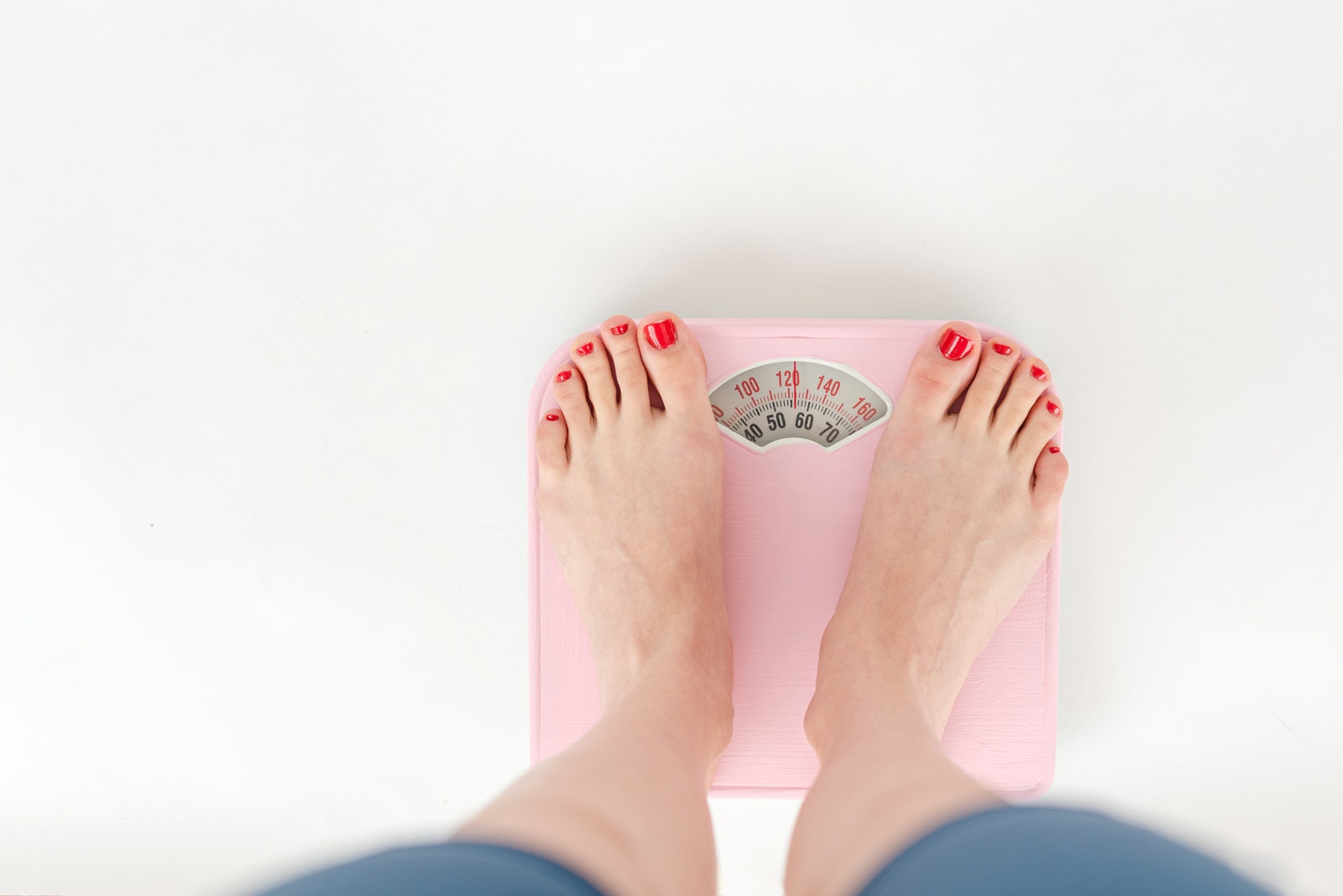
People who step on the scale regularly, as part of a wider effort, tend to lose more and keep it off, mostly because it keeps them honest. Weigh in first thing in the morning for consistency, and ignore the day-to-day wobble. Water, salt and hormones move that number around constantly. The weekly trend is what counts.
2. Keep tempting food out of sight
Out of sight really does help. Research has linked having high-calorie food on the counter with weighing more, while a visible bowl of fruit goes the other way. So put the snacks in an awkward cupboard and leave the easy-to-grab food on your side.
3. Drink water before meals
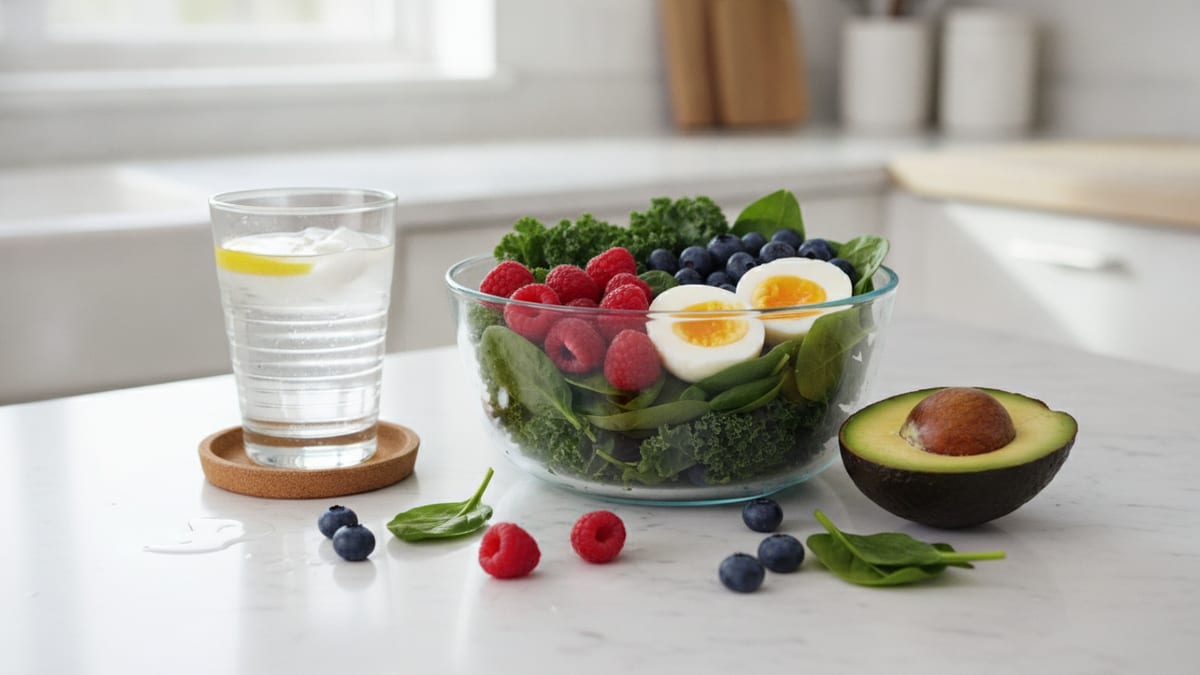
Water should be your default drink anyway, but it also helps with weight. In trials, drinking a couple of glasses about 30 minutes before eating lowered appetite and cut calories at the meal, roughly 75 fewer per sitting in some studies. Cheap, easy, and it actually works.
4. Eat off smaller plates and serve a little less
Portions have quietly ballooned over the years, especially in restaurants, and a bigger plate makes a normal serving look stingy. Use a smaller plate and the same amount of food looks like more, which can trick your brain into feeling satisfied. Pair that with serving yourself slightly less than usual and you cut calories without ever feeling like you're on a diet.
5. Eat slowly
Meals aren't a race. Eating more slowly gives your body time to register fullness, so you tend to stop sooner and feel more satisfied. If you're a speed-eater, try putting your fork down between bites or just chewing a few more times than feels natural. It's a small change that compounds.
6. Don't fear good fats
Fat isn't the villain it was made out to be. Unsaturated fats from fish, nuts, avocado and olive oil keep you fuller for longer and help you absorb certain vitamins. The point isn't to drown everything in oil, it's to stop avoiding fat out of habit. The fats actually worth skipping are the chemically processed trans fats.
7. Cook more at home
People who eat at home more often tend to eat fewer calories, and it makes sense: when you're the one cooking, you control the oil, the portions and the sugar. You don't need to be a chef. Even basic home cooking beats takeout most nights, and a restaurant meal now and then won't undo it.
8. Make fiber your friend
Fiber keeps you full, and one type pulls extra weight: viscous fiber, which forms a gel with water and slows down how fast your stomach empties. You'll find it in plant foods like beans, oats, flaxseed, brussels sprouts, oranges and asparagus. More of it means fewer hunger pangs between meals.
9. Lean on protein
Protein is the most filling thing on your plate, partly because it nudges your appetite hormones (like GLP-1 and ghrelin) toward "I'm full." A protein-forward breakfast in particular can keep hunger in check through the day, so trading the sugary cereal for eggs is a solid swap.
10. Get more sleep
Skimp on sleep and your hunger hormones, leptin and ghrelin, swing toward "eat more," especially the high-calorie stuff. A bad night genuinely makes the next day harder. Protecting your sleep is one of the most underrated weight-loss moves there is, and it costs nothing. If poor sleep is your sticking point, the sleep supplements worth considering and the habits that fix it are both worth a look.
11. Be honest about your snacking
Snacking is fine in moderation; the trouble is it's easy to lose track. One simple trick is to say your snacks out loud, to yourself or someone else, before you eat them. Naming it makes you notice how often and how mindlessly it's happening, which is usually half the battle.
12. Try a red plate (low stakes, low evidence)
You may have heard that eating off red plates makes you eat less, the idea being that red works as a subtle "stop" signal. Honest take: the early studies looked promising, but later attempts to repeat them didn't hold up, so this one's more curiosity than proven tactic. It costs nothing to try, just don't expect much.
13. Take the edge off stress
Chronic stress messes with your hormones much like poor sleep does, and plenty of us reach for comfort food when we're frazzled. You don't need anything fancy to push back. A walk, some breathing, a few minutes of quiet, or whatever resets you, all help break the stress-then-snack loop.
14. Put the screens away while you eat
Eating while scrolling or watching TV makes it easy to keep going long past full, because you're not paying attention to the food at all. Try going screen-free at meals. Even sitting at a table instead of the couch helps you notice what and how much you're actually eating.
15. Eat with your stomach, not just your eyes
We tend to eat with our eyes and our emotions and forget to check in with our stomach, which is how "full" turns into "stuffed." Mindful eating just means slowing down and noticing your body's signals as you go. Next meal, pause partway through and ask whether you're actually still hungry.
16. Ditch the sugary drinks
Soda and other sugary drinks are calorie-dense and do almost nothing to fill you up, which makes them the easiest thing to cut. Swap them for water, sparkling water or unsweetened tea and you'll trim calories you won't even miss.
17. Prep ahead so you're not winging it
When you're tired and there's nothing ready, takeout wins. Beat that by prepping in advance: cook a batch of rice, grill some chicken, chop a few veg once or twice a week. Having grab-and-reheat food on hand keeps the hangry takeout decision off the table.
18. Consider probiotics, with realistic expectations
Gut bacteria seem to play some role in weight and metabolism, and research has started linking certain imbalances to obesity, though it's still early days. A probiotic won't melt fat off you, but fermented foods like yogurt, kefir and miso are good for you anyway, so there's little downside to working them in.
19. Sort out your vitamin D, for your health
The link between vitamin D and weight loss is shaky. The trials don't show it reliably burns fat, so don't take it as a slimming aid. That said, plenty of people are low in it, and it matters for bones and immunity. Get some sun, eat vitamin-D-rich foods, or supplement if you're deficient. Just file it under general health, not weight loss.
20. Build habits you won't have to think about
The reason these no-exercise tactics work is that they're easy to keep doing. Crash diets end; habits don't. Pick two or three from this list, do them until they're automatic, then add a couple more. Boring, repeatable changes are what actually move the needle without a gym in sight.
Our honest take
You really can lose weight without exercising, because diet is where most of the results live. But "without exercise" and "without effort" aren't the same thing, and the gains here come from consistency, not any single trick. Movement is still great for your heart and mood when you're ready for it. If you've got a health condition or take medication, check with your doctor before making big changes to how you eat.